Four steps to understand user needs
With Mark Lim of Singapore’s Government Digital Services.
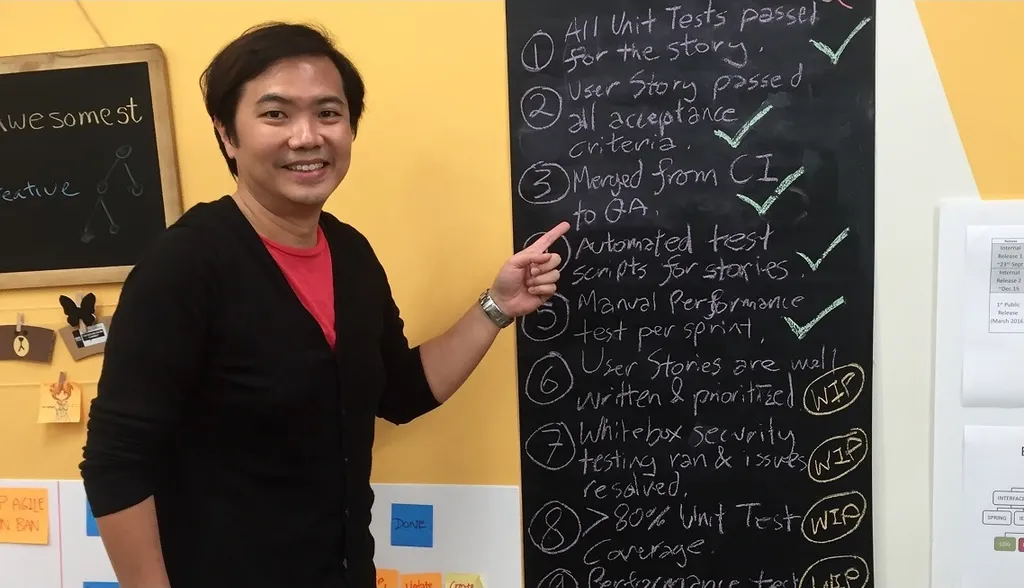

 Meanwhile, on the OneService mobile app (pictured above), Lim’s team built a special test version of the application to record users’ screen interactions, clicks, facial expression and verbal feedback. “Through inviting volunteers to use this version of the app, important usability issues surfaced before the production version was submitted to the appstore and playstore,” Lim explains.
And on the National Day Rally Portal project, the GDS combined user engagement analytics and eye-tracking to design the portal. They had a specialist number of techniques, including A/B testing - where two different versions are tested on user groups - to see which version worked best.
There is - in fact- a fifth step for user testing, which is fundamental to the whole process. "For product design and development, we do not just launch the web or app, we continue to monitor its performance and usability in order to have continuous improvement," Lim says. That way, services can be constantly updated to meet the latest user needs.
Their techniques may sound complex, but the GDS performs them for very good reasons. Most government agencies should be trialling them. After all, they can make interacting with government the best thing since sliced bread.
Meanwhile, on the OneService mobile app (pictured above), Lim’s team built a special test version of the application to record users’ screen interactions, clicks, facial expression and verbal feedback. “Through inviting volunteers to use this version of the app, important usability issues surfaced before the production version was submitted to the appstore and playstore,” Lim explains.
And on the National Day Rally Portal project, the GDS combined user engagement analytics and eye-tracking to design the portal. They had a specialist number of techniques, including A/B testing - where two different versions are tested on user groups - to see which version worked best.
There is - in fact- a fifth step for user testing, which is fundamental to the whole process. "For product design and development, we do not just launch the web or app, we continue to monitor its performance and usability in order to have continuous improvement," Lim says. That way, services can be constantly updated to meet the latest user needs.
Their techniques may sound complex, but the GDS performs them for very good reasons. Most government agencies should be trialling them. After all, they can make interacting with government the best thing since sliced bread.